
-
-

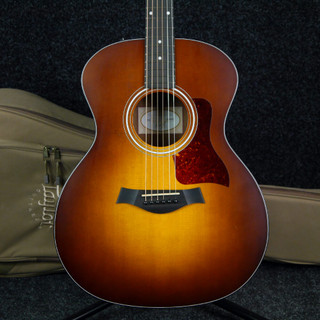
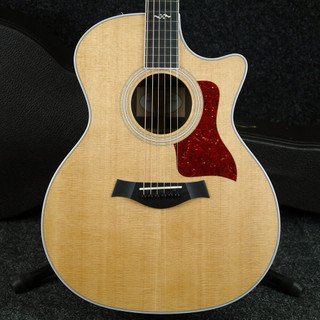
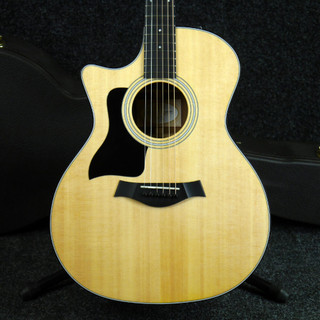
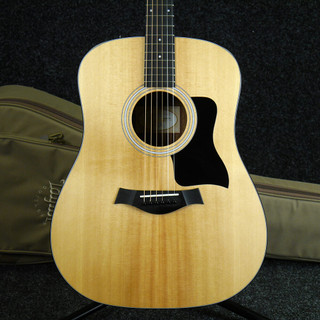
Taylor 314ce Electro-Acoustic w/Hard Case - 2nd Hand
Out of Stock -

-
-
-
-
-
-
-

-
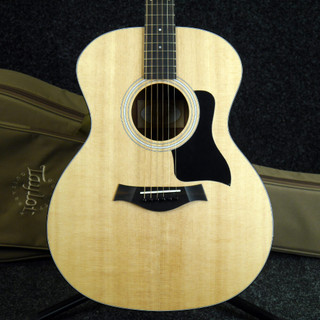
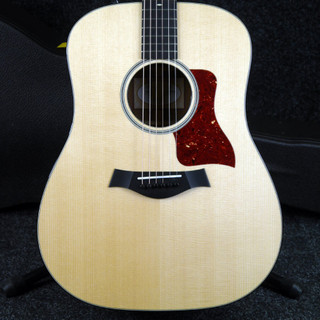
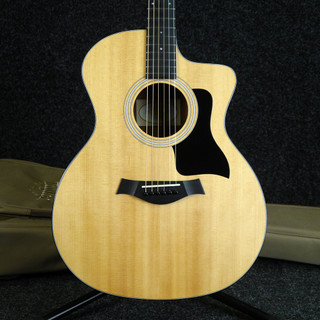
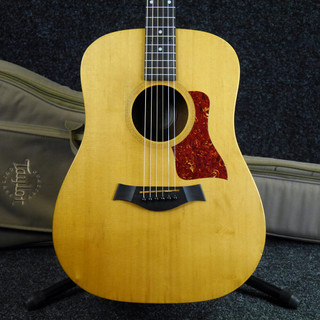
Taylor 114E Electro-Acoustic w/Gig Bag - 2nd Hand
Out of Stock -
-
-
-
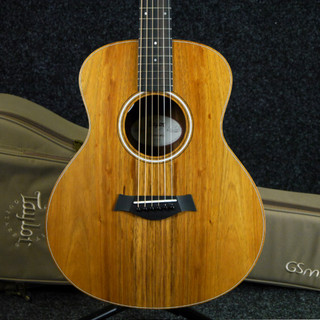
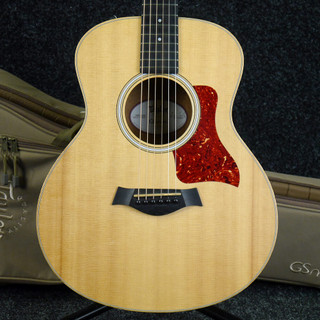
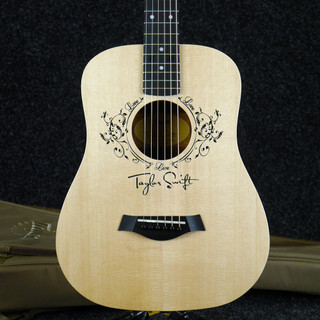
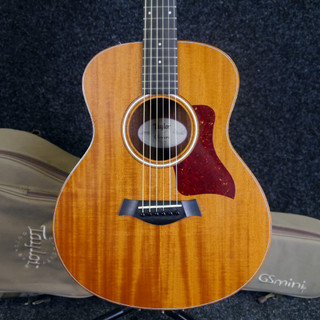
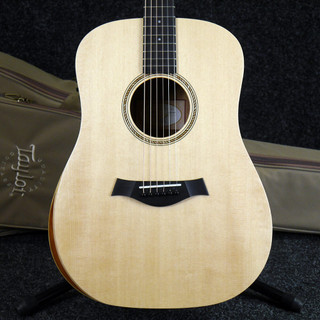
Taylor GS Mini-e Koa w/Gig Bag - 2nd Hand
Out of Stock -
-
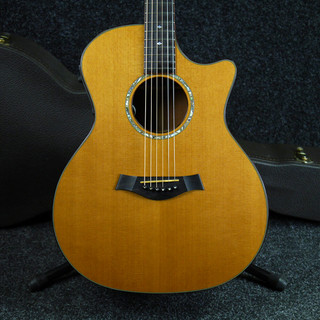
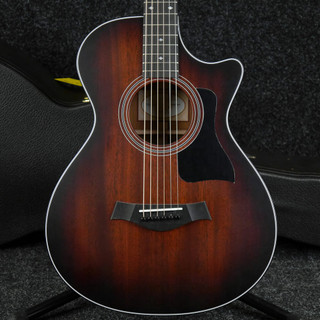
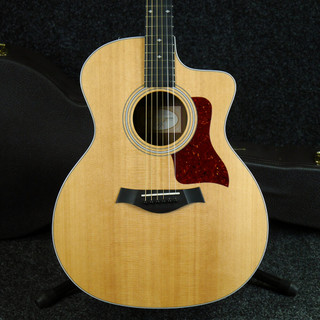
Taylor 514CE Electro Acoustic w/Hard Case - 2nd Hand
Out of Stock -
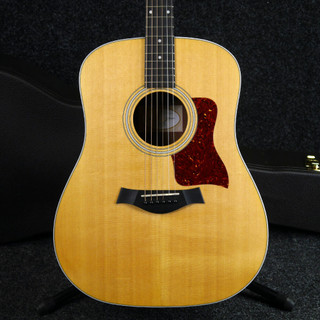
Taylor 210 w/Hard Case - 2nd Hand
Out of Stock -
-
-
-
-
-

-
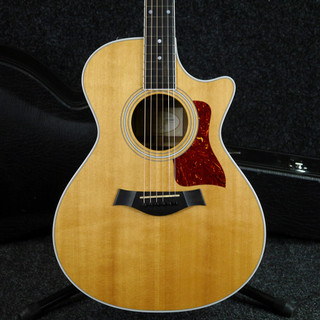
Taylor
Explore second-hand Taylor acoustic guitars, from compact GS Mini models to full-size instruments for home, recording and live performance. Use the series categories to narrow your search, then compare each guitar’s photographs, condition notes and included case or gig bag. Specifications can differ by model and year, so check the individual listing for woods, bracing and electronics.
Considering your next move? Ask us about selling or part exchanging your Taylor, or compare our new Taylor acoustic guitars.
THE RICH TONE BUYING GUIDE
Choosing a used Taylor acoustic guitar
Start with how and where you play. A smaller instrument can suit relaxed practice and travel; a full-size guitar gives you different choices of feel, body response and projection. Buying used also opens up models and specifications that may no longer be in the current range.
Comfort and portability
The GS Mini is a scaled-down design. Grand Concert models offer another route to a compact body. Compare the individual guitar’s scale length and dimensions rather than judging comfort from the series number alone.
One guitar for different styles
Taylor’s Grand Auditorium is a versatile starting point for players who combine fingerstyle, picking and strumming. Try the body shape against your playing position and listen to how it responds to your touch.
Stage or home use?
If you intend to plug in, check the fitted pickup system and controls in the listing. If you mostly play acoustically, focus first on comfort, condition and the sound you want.
Read the model name, then check the particular guitar
In Taylor’s conventional three-digit names, the final digit helps identify body shape: for example, a model ending in 4 is a Grand Auditorium. The letters “c” and “e” indicate a cutaway and electronics. Not every Taylor family follows that naming pattern, and a familiar model number does not establish its production year, woods or bracing.
Before choosing, compare the condition notes, photographs, any documented repairs or modifications, and the included accessories. If the listing does not answer something important, ask us about that instrument rather than relying on a current-model specification sheet.
Sell Your Gear
Ready for your next acoustic? Sell Your Gear with Rich Tone Music, or explore part exchange towards the Taylor you have in mind.
Used Taylor guitar FAQs
Do all used Taylor guitars have V-Class bracing?
No. Taylor has produced different bracing designs across its ranges and production years. Check the specific model and year; do not assume a used example matches today’s version.
Does a higher Taylor series number mean a better guitar for me?
It depends on the sound, specification and finish you want. Moving up the Taylor range generally brings different, often more expensive tonewood choices and more elaborate appointments, such as binding and inlays. Those differences are worth exploring: they change both the character of the instrument and what you are paying for.
Start with a body shape that suits your playing and feels comfortable, then compare the wood pairing. Rosewood can bring deep bass, bright trebles and rich overtones; mahogany tends towards a more focused, woody voice; maple is particularly responsive to the player’s touch. The top wood and the guitar’s construction also contribute to its response.
Taylor’s consistent build quality and player-friendly feel are strengths across the range. With a 300 Series or a higher-series guitar, the choice is often about finding your preferred voice and level of finish. A higher number alone does not tell you how comfortable a particular neck, scale length or body will feel.
For example, the final “4” in 314ce and 814ce identifies the Grand Auditorium shape, while the first digit identifies the series. On used guitars, compare the actual production year and specification too: woods, bracing and features can change within a series. Buying used can make the combination you really want more affordable.
Is a case included?
Check the individual product description. Cases and gig bags can vary between used examples; do not assume that an accessory supplied with a new guitar is present with a used one.
Can I sell or part exchange my Taylor?
Use our Sell Your Gear form to request a quote. Include the model, condition and photographs so we can assess your particular guitar.
Why can I still see sold-out examples?
Previous listings help customers research models and compare examples. A sold-out guitar is not available to order, and its advertised price is not a current valuation or confirmation of the final selling price.